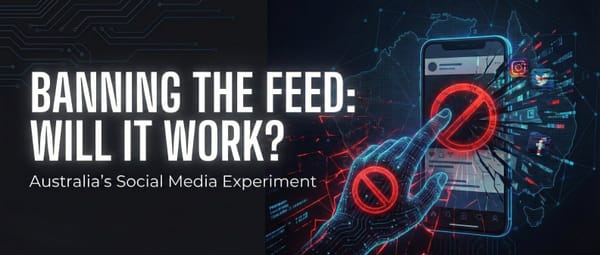
Beyond the Likes: Is Social Media Stealing Your Child's Smile?
Mental Health in a Digital World - A Parent's Guide
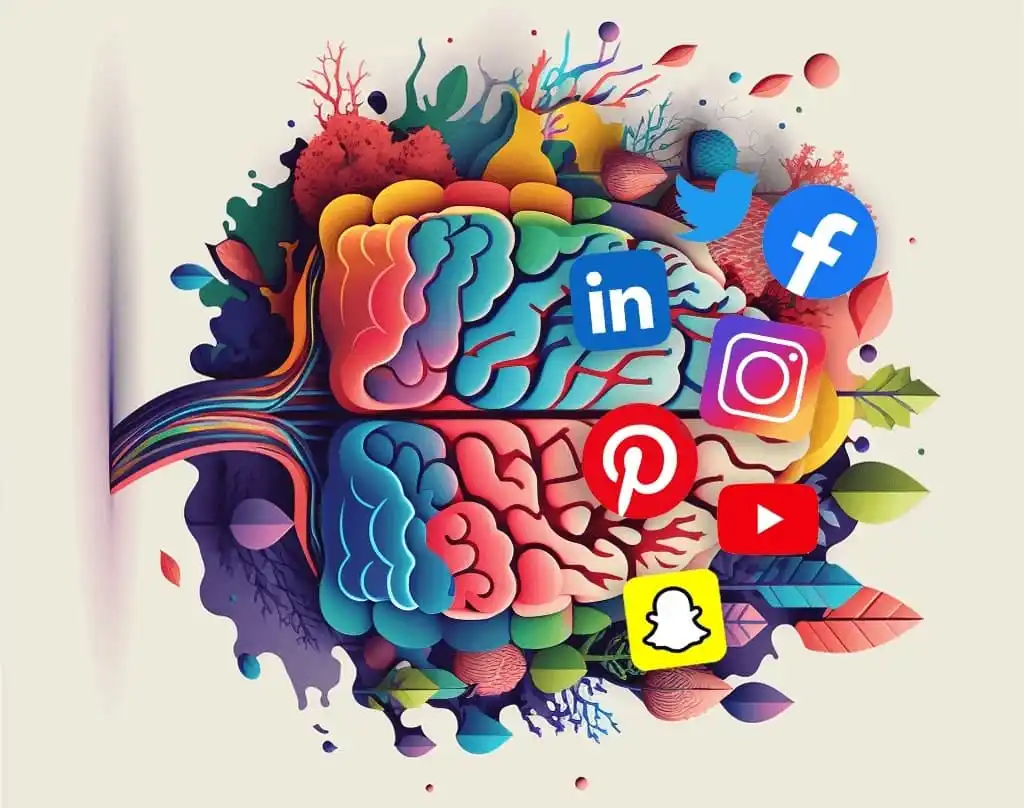
We live in a hyper-connected world. For today's kids, social media isn't just a way to connect with friends; it's often their primary social landscape. While platforms like Instagram, TikTok, and Snapchat (My previous articles can be found below) offer benefits like community and creative expression, they also present a unique set of challenges to young people's mental health. As parents, it's crucial to understand these challenges and equip your children to navigate the digital world safely and healthily.
 Dale (Cyber Safety Guy)
 Dale (Cyber Safety Guy)
The Dark Side of the Scroll
Let's face it, social media can be a minefield. Here are some of the key ways it can impact a child's mental well-being although this is nowhere near an exhaustive list:
Cyberbullying: The anonymity and 24/7 nature of online interaction make social media a fertile ground for cyberbullying. Hurtful comments, exclusion, and online harassment can have a devastating impact on a child's self-esteem and emotional health. A recent study by the Cyberbullying Research Center found that over 33% of young people have experienced cyberbullying at some point in their lives.
Cyberbullying: A Parent's Guide to Identifying and Addressing Online BullyingCyberbullying is when someone uses the internet to upset or target another person deliberately. It can happen anywhere, anytime, and feel inescapable because it often occurs on devices that young people have constant access to and live their lives through. The bully can be someone your child knows or a complete stranger. Dale (Cyber Safety Guy)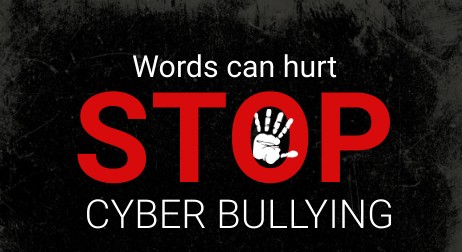
Body Image Distortion: Social media feeds are often filled with filtered photos and carefully curated content, creating unrealistic beauty standards. This can lead to body dissatisfaction, low self-esteem, and even disordered eating. The National Eating Disorders Association highlights a concerning link between social media use and increased body image concerns in young people. This can be a problem for people of all ages, not just children.
FOMO (Fear of Missing Out): Constantly scrolling through others' highlight reels can fuel FOMO. Children may feel anxious, inadequate, or envious when comparing their lives to the seemingly perfect lives of others online. This constant pressure to keep up can be exhausting and detrimental to their mental health. This was one of the main reasons why I left social media about 5 years ago, people only post their very best lives and not the normal routine parts that we all go through and this can lead to negative thoughts about your own day-to-day life.
Sleep Disruption: The blue light emitted from screens can interfere with melatonin production, a hormone that regulates sleep. Late-night scrolling and notifications can disrupt sleep patterns, leading to fatigue, irritability, and difficulty concentrating, all of which can impact mental well-being. The Sleep Foundation emphasises the importance of limiting screen time before bed to ensure quality sleep.
Addiction and Excessive Use: Social media platforms are designed to be addictive, using algorithms and notifications to keep users engaged. Excessive use can lead to problems with attention span, focus, and overall well-being.
Protecting Your Child: Tips for Parents
The good news is that there are things you can do to mitigate these risks and help your child develop a healthy relationship with social media:
- Open Communication: Talk to your child about their online experiences. Encourage them to share their concerns and ask questions. Create a safe space for them to discuss anything that might be bothering them online.
- Media Literacy: Teach your child to think critically about what they see online. Help them understand that social media often presents an idealised version of reality. Encourage them to question the motives behind posts and to be cautious consumers of online content.
- Set Boundaries: Establish clear rules and expectations around screen time and social media use. Create tech-free zones in your home and encourage offline activities.
- Model Healthy Habits: Be mindful of your own social media use. Children learn by example, so demonstrating a balanced and healthy approach to technology, and remembering less doom scrolling on Instagram is always a good thing.
- Seek Support: If you're concerned about your child's mental health or social media use, don't hesitate to reach out to a mental health professional or many of the online resources I list in my links on the right-hand side of the home page.
Social media is here to stay, but it doesn't have to steal our children's joy. By being informed and proactive, we can help them navigate the digital world safely and build resilience to protect their mental well-being.